What is an opinion?
What is an opinion?
In my last post, I talked about being affected by other people’s opinions. This week, I came across a few things that made me reflect more deeply on what an opinion actually is.
We’re seeing more and more people sharing their “opinions” on a wide range of topics—some claim to be experts, others are simply influencers. But it raised a question for me: to what extent are these people באמת expressing their own opinions?
From that, I ended up with two main reflections that led me to write this:
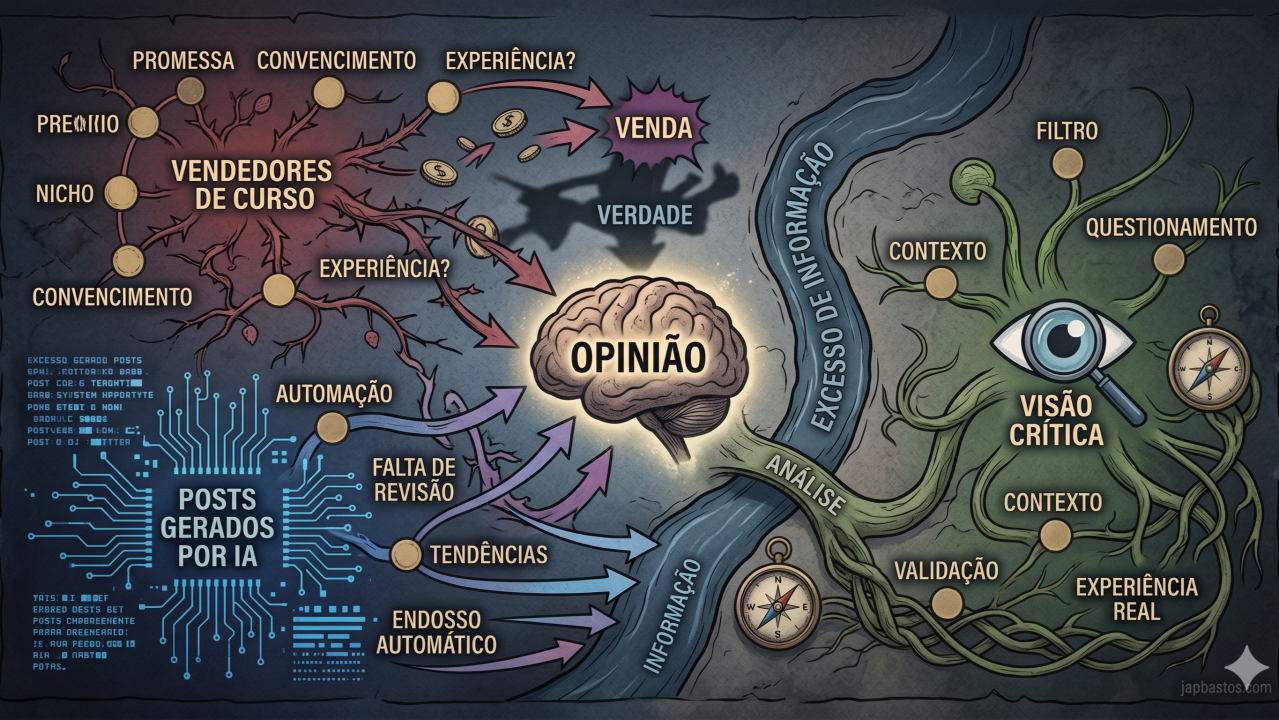
How much of that opinion truly reflects what the person thinks, and how much of it is just an attempt to sell you something? Can we really consider it someone’s opinion if, in many cases, the content was generated by AI—and to what extent was it actually reviewed or validated before being published?
Many people speak with the intent to sell, often without real experience in what they’re promoting. They know how to sell, they’ve found a niche, and they’re working to convince you. Today, more than ever, “sellers” try not to look like they’re selling—but at some point, an offer will appear in the narrative, or they’re simply preparing the ground for it. I’m not saying this is right or wrong—just pointing out the pattern.
On the other hand, we have AI-generated content. Many people end up endorsing opinions they didn’t truly form or even review. They pick trending topics, ask AI to generate articles or carousel posts—sometimes using automated tools—and in some cases barely read the content before publishing it. This is not a criticism of AI itself, but of how it’s being used.
This also reveals another issue: our lack of critical thinking when consuming content daily. The way we deal with this massive volume of information and how we interact with it. And when I say “we,” I include myself—I often forget to activate this critical mindset. I consume, I share, and I don’t always analyze what I’m taking in. It’s something that affects our entire generation.
Anyway, this is just an initial reflection without a final conclusion—just raising questions that caught my attention. I’ll probably come back with more posts on this topic.